
Using AUTOSAR
with emmtrix Tools
Enhanced Support for Automotive
The AUTOSAR Classic Platform is a standard specification that defines several abstraction layers from the microcontroller to the applications.
The Basic Software (BSW) Layer consists of services such as operating system, communication, diagnostics, and hardware abstraction layers that provide standardized interfaces to the application layer. The Runtime Environment (RTE) acts as the middleware that enables communication between the application software and the basic software layer, abstracting the complexity of the hardware and the BSW modules.
Finally, the Application Layer contains functional software components developed by OEMs or suppliers, which can be easily ported across different hardware platforms due to the abstraction provided by the RTE.
Key Features
-
Runnable Extraction: Automatically extract relevant runnables based on trigger events.
-
Performance Estimation: Estimate the performance of individual runnables on embedded architectures such as Infineon AURIX, Arm Cortex and RISC-V.
-
Dependency Extraction: Extract data dependencies within individual runnables to verify and obtain more detailed information on the dependencies specified in AUTOSAR.
-
Interactive Visualization: Explore dependencies in interactive views for each runnable.
-
Event Chain Analysis: Analyze event chains across multiple software components.
-
Signal Tracking: Track signals and their safety levels throughout the system, for example to identify OBD-relevant parts.
Key Benefits
- Understand Runnable Performance: Assess individual runnables on different target architectures.
- Verify Specified Dependencies: Compare source-code dependencies with the relationships described in the AUTOSAR model.
-
See Cross-Component Signal Flows: Understand dependencies and event chains across software components.
-
Analyze Without the Vendor RTE: Use a custom analysis RTE when the supplier-specific runtime environment is unavailable.
Choose the Right Analysis Tool
emmtrix Performance Estimator
Estimate runnable performance on different embedded architectures. Gain timing insight into the C code that implements your AUTOSAR application.
emmtrix Dependency Analyzer
Analyze dependencies and signal flows in AUTOSAR C code. Map the results back to data prototypes, variables and ports in your AUTOSAR model.
AUTOSAR Software Stack
The AUTOSAR Classic Platform defines abstraction layers between the microcontroller and the application software.
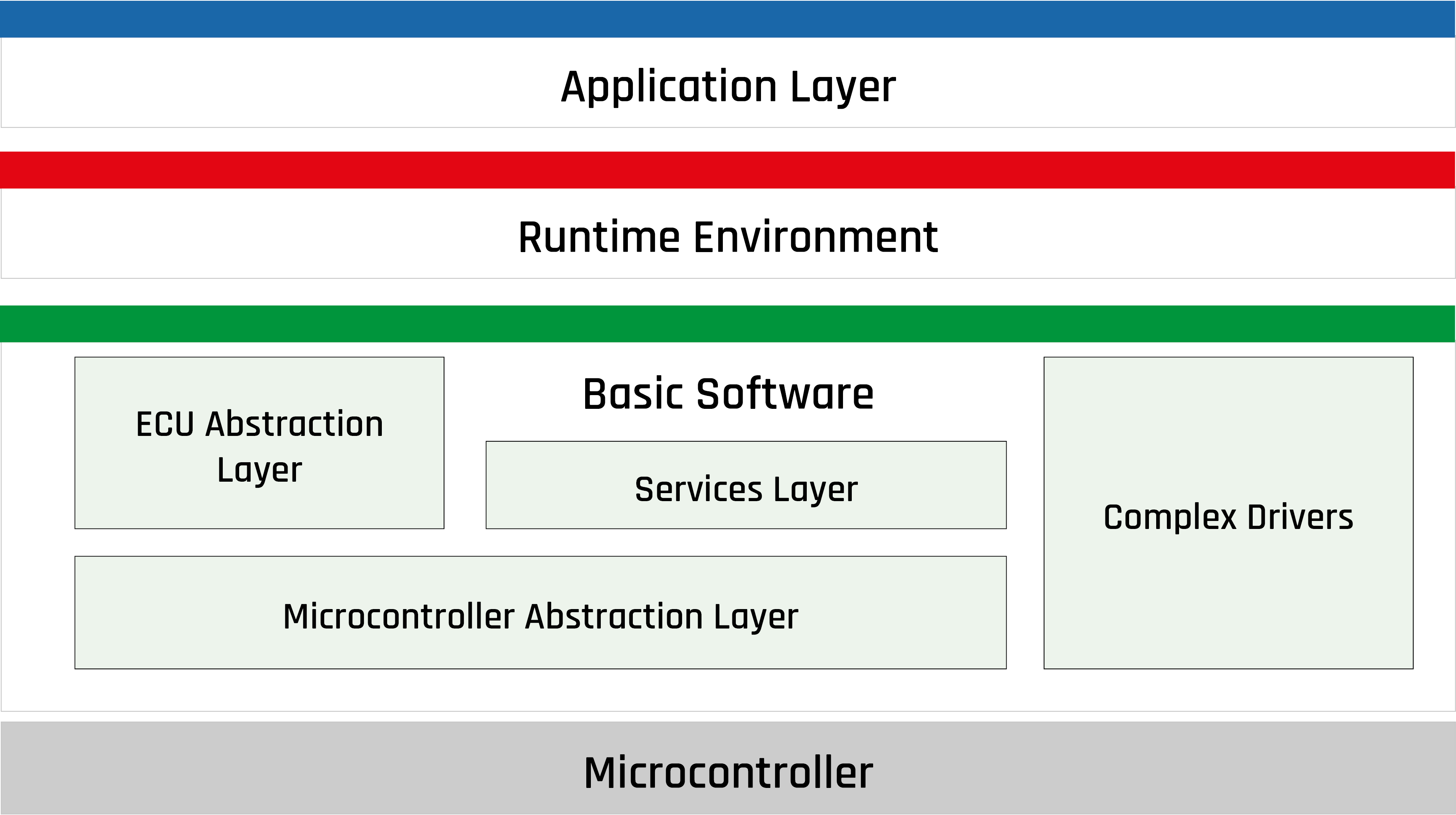
Figure 1: Standardized Framework for Embedded Automotive Applications
Basic Software (BSW): Provides services such as operating system support, communication, diagnostics and hardware abstraction, with standardized interfaces to the application layer.
Runtime Environment (RTE): Enables communication between application software and basic software, abstracting the complexity of the hardware and BSW modules.
Application Layer: Contains functional software components developed by OEMs or suppliers. The abstraction provided by the RTE allows these components to be ported across different hardware platforms.
Analyze Runnables in Their AUTOSAR Context
Start with the Runnable
The emmtrix analysis tools ePE and eDA are designed to analyze C code in the Application Layer in the form of runnables. These runnables are part of application software components (SWCs) and make up the functional part of applications.
Runnables can be considered as running in isolation from the rest of the system, as interactions with other runnables are handled through function calls to the RTE.
The entry point for analysis or optimization is typically a runnable, specifically the C function that implements the runnable’s functionality.
Generate a Custom RTE for Analysis
The RTE may come from different vendors, and not all developers in the supply chain have access to it. To facilitate runnable analysis, emmtrix generates a custom RTE from the AUTOSAR specification.
This covers the data types, required functions and macro definitions needed to make the source code analyzable.
Structure of a Software Component
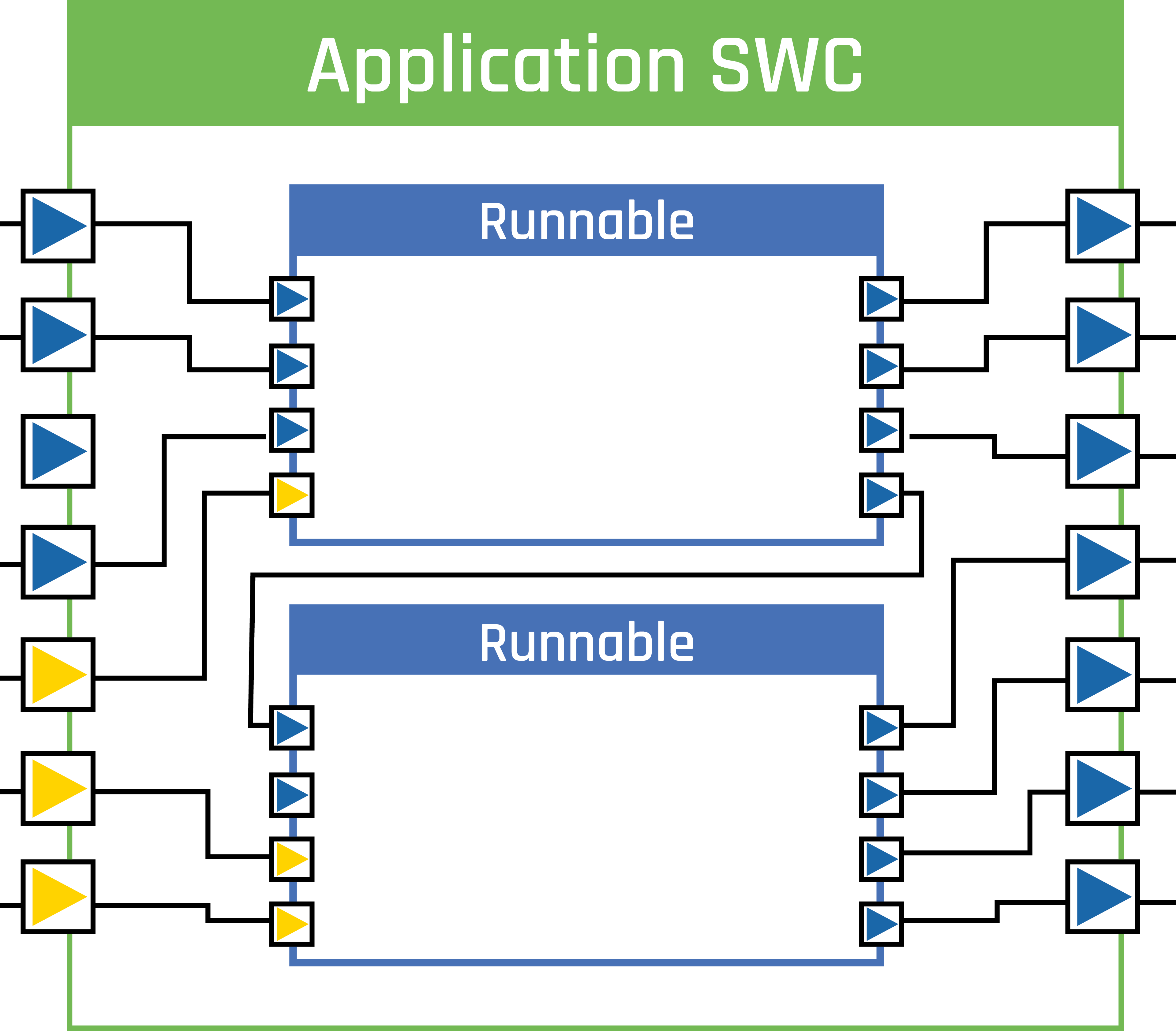
Figure 2: Core Elements and Connections within an Application Software Component
Performance Estimation Resources
Timing Analysis White Paper
Learn how continuous timing monitoring supports complex software projects with emmtrix Performance Estimator.
Simulink Webinar Recording
Learn how to gain early runtime insights into Simulink models with emmtrix Performance Estimator.
Frequently Asked Questions
Which part of AUTOSAR software is analyzed?
The tools analyze the C code of runnables in the Application Layer of the AUTOSAR Classic Platform. These runnables are part of application software components.
Can runnables be analyzed without access to the vendor RTE?
Yes. emmtrix generates a custom RTE from the AUTOSAR specification to facilitate runnable analysis. It covers the data types, required functions and macro definitions needed to analyze the source code.
Which architectures can be used for runnable performance estimation?
The documented examples include Infineon AURIX, Arm Cortex and RISC-V processors. Contact emmtrix to discuss the target architecture for your application.
Which tools provide the AUTOSAR analysis described here?
emmtrix Performance Estimator (ePE) supports performance estimation of individual runnables. emmtrix Dependency Analyzer (eDA) extracts and visualizes data dependencies and signal flows in AUTOSAR C code.
How are dependency results related to the AUTOSAR model?
emmtrix Dependency Analyzer maps source-code analysis results back to data prototypes, variables and SWC ports in the AUTOSAR model. This supports checking whether the dependencies in the C code correspond to those defined in the model.
Can dependencies be analyzed across multiple software components?
Yes. The described analysis supports event chain analysis across multiple software components and tracking of signals and their safety levels throughout the system, for example to identify OBD-relevant parts.
Let’s Get in Touch
Would you like to analyze performance, dependencies or signal flows in AUTOSAR software? Contact us to discuss your runnables, target architecture and analysis requirements, request a demo or start an evaluation.