
emmtrix
Parallel Studio
(ePS)

Parallelize Embedded C Code and Stay in Control
emmtrix Parallel Studio (ePS) helps you optimize the performance of your embedded applications on multicore and DSP architectures, as well as combinations of these processing units.
Our tool automates and radically simplifies the parallelization process to the point where you only need to make a few decisions to achieve good results. The patented graphical user interface (GUI), together with a number of reports, provides full transparency and leaves you in complete control at every step of the process.
Use your existing C code as the starting point for parallelization in ePS. Together with the ePS Qualification Kit, parallelization can be performed for applications with functional safety requirements such as ISO 26262 or DO-178C.
ePS Workflow
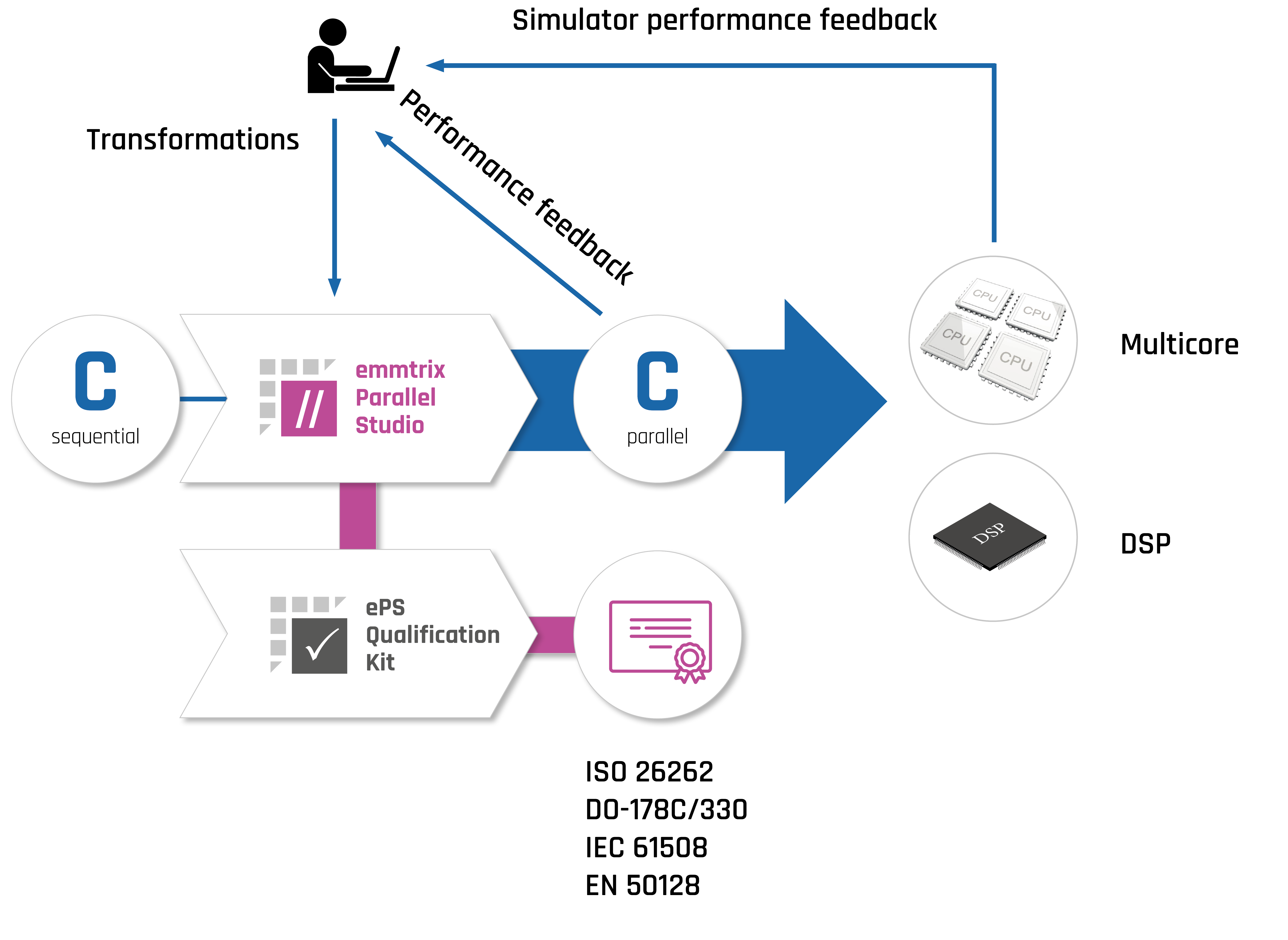
Figure 1: Automated Workflow for Parallel C Code Generation and Optimization
The core of emmtrix Parallel Studio is a C source-to-source compiler that takes sequential C code as input and generates optimized source code for the selected target architecture.
The input can be handwritten C code or code generated by tools such as MATLAB® Coder or Simulink® Coder. C++ applications can be translated into C using the emmtrix C++ to C Compiler.
ePS analyzes the source code, estimates its performance and exploits thread-level, data-level and loop-level parallelism. Depending on the target architecture, independent code sections are distributed across multiple cores or vectorization is applied for vector processors.
The generated parallelized or vectorized source code can be compiled and tested on development boards or simulators. For applications with functional safety requirements, the ePS Qualification Kit compares the sequential input and parallel output code to verify functional equivalence.
Key Features
-
Automated Code Generation: Generate parallel code from sequential C applications.
-
Interactive Optimization: Work with a user-friendly Eclipse-based graphical interface.
-
Code Transformations: Apply interactive transformations to optimize parallel code.
-
Fine-Grained Parallelization: Parallelize at runnable, function or sub-function level.
-
Multiple Levels of Parallelism: Utilize thread-level, data-level and loop-level parallelism.
-
Target Deployment: Deploy the parallelized program directly to evaluation boards.
-
Logical Execution Time: Follow the principles of Logical Execution Time (LET).
-
Dependency Analysis: Analyze static dependencies.
Key Benefits
-
Improved Response and Throughput: Improve application response time and processing throughput.
-
Use Available Hardware: Speed up applications by making use of powerful hardware.
-
Correct-by-Design Approach: Apply a correct-by-design approach to parallelization.
- Safety-Critical Applications: Parallelize applications with requirements such as ISO 26262 and DO-178C using the qualification workflow.
- Automate and Stay in Control: Guide the process through the graphical interface.
- Workflow Integration: Integrate parallelization into your development workflow.
Take a Look Inside emmtrix Parallel Studio
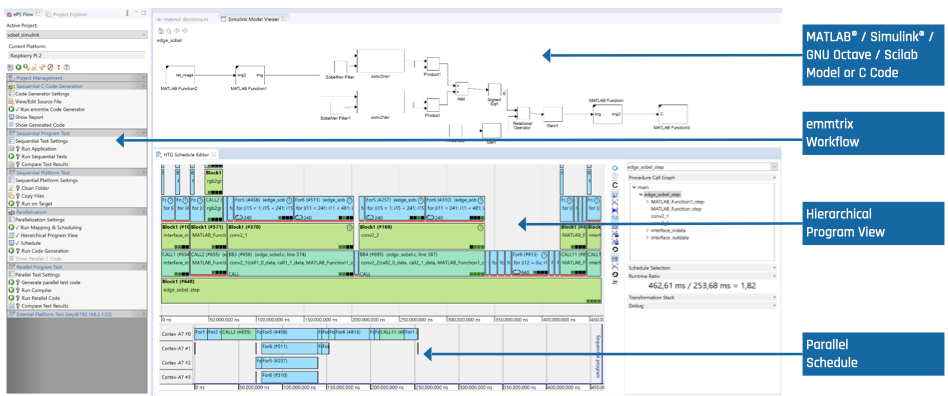
Figure 2: Overview of the GUI – Version 2020.06
From Sequential to Parallel Code
Input
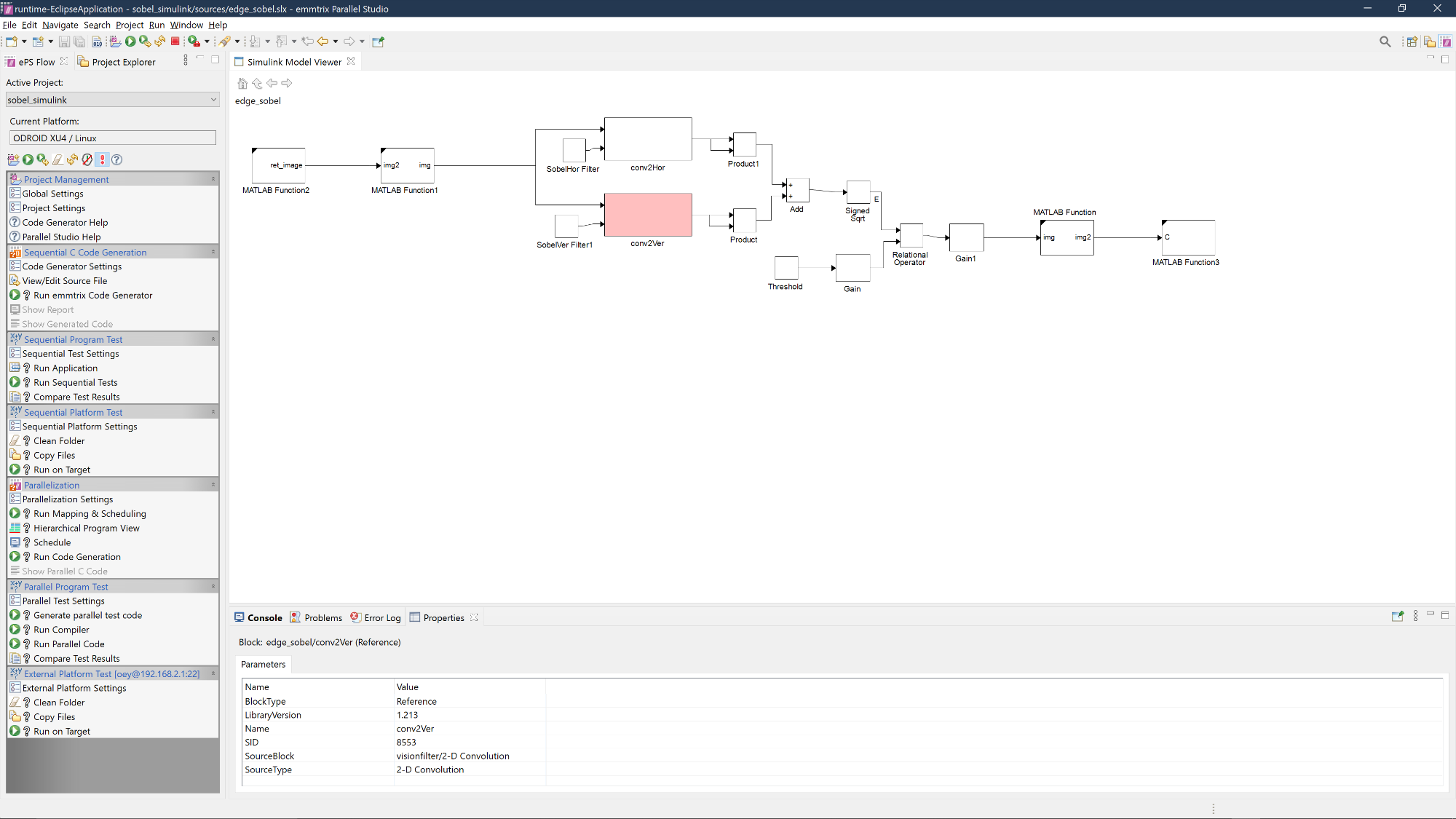
Simulink® models
or
or
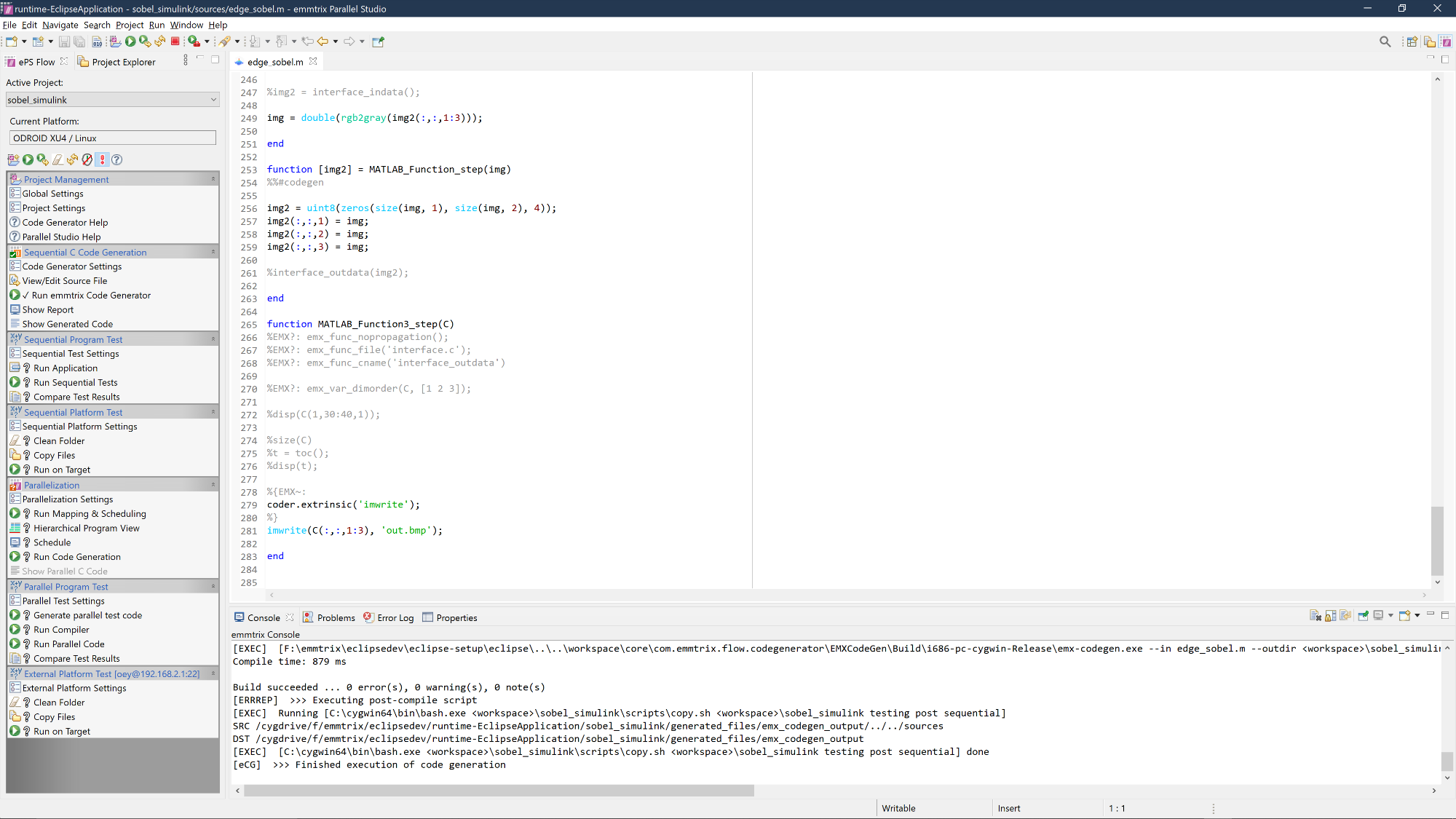
MATLAB®/GNU Octave/Scilab scripts
or
or
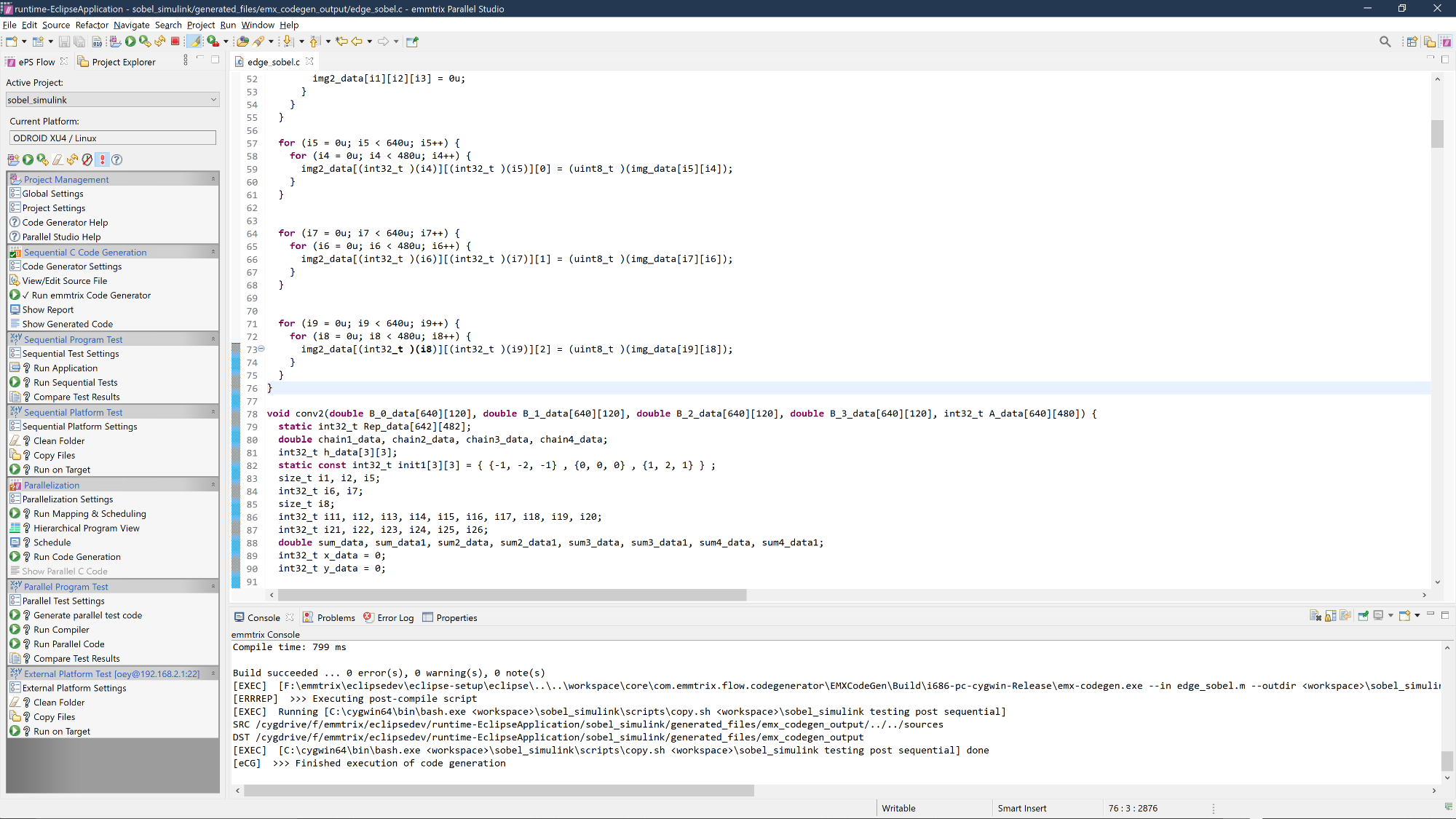
C code
Interactive Parallelization with ePS – Visualize and Stay in Control
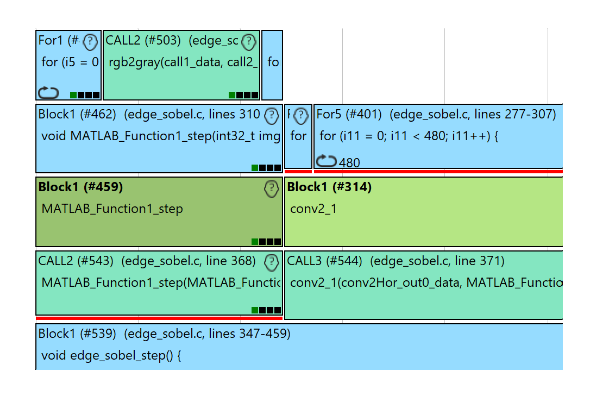
See and understand
Performance Estimation
- Analyze the sequential performance
- Find critical part (hot spots) in the program
- Show call graph / control structure
- Navigate through the application
↓
〉
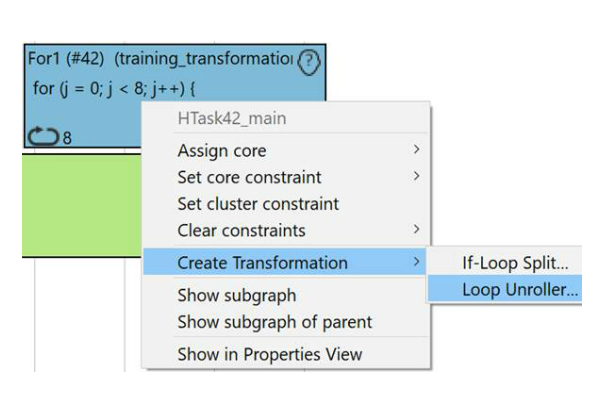
Speed up
Code Transformations
- Select transformations
- Exploit loop- and data-level parallelism
- Increase the number of independent tasks
↓
〉
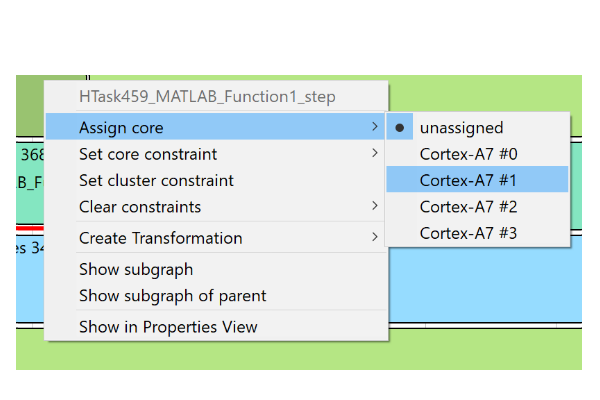
Tune
Task Parallelization
- Exploit task-level parallelism
- Fine-tune parallelization with user constraints
- Pin tasks to specific cores
- Reserve cores for other purposes
Result
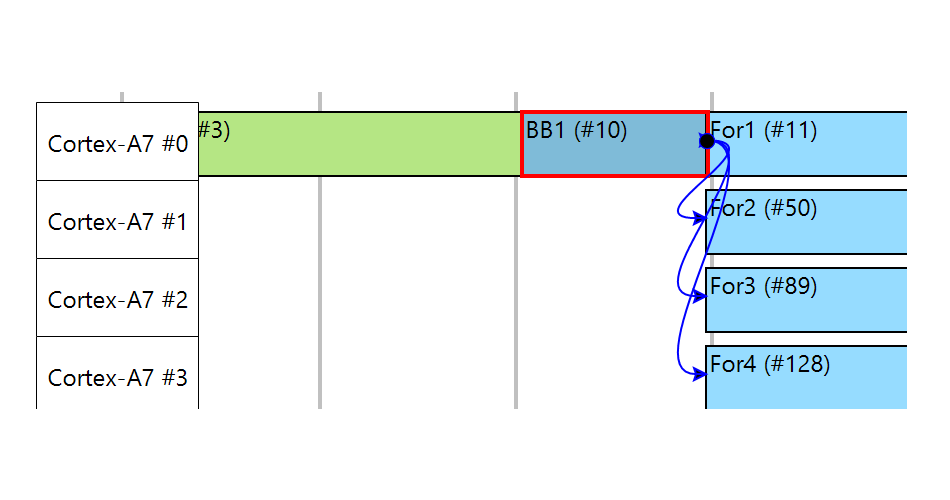
Check results
Parallel Scheduling
- Analyze parallel performance
- Follow dependencies
- Analyze results
Some Supported Platforms
emmtrix Parallel Studio (ePS) supports a broad range of target platforms, from general-purpose processors such as ARM Cortex-A and x86 to special-purpose microcontrollers such as the Infineon AURIX™ family.
ePS can be adapted and customized for new processor architectures. Its minimal requirements are an available C compiler and message-passing or shared-memory inter-core communication.










Associated Partners

emmtrix Technologies is an Infineon Associated Partner with over 10 years of experience working with the Infineon AURIX™ microcontroller family and has been actively collaborating with Infineon for the past five years.
Multicore Avionics: The QSMA Project
The QSMA project brings together emmtrix Parallel Studio, CompCert and timing-verification tools in a qualifiable multicore avionics toolchain. The public project description explains the role of ePS in distributing sequential software across multiple cores while preserving its semantics.
Parallelization with Functional Safety Requirements
The ePS Qualification Kit supports parallelization workflows for applications with functional safety requirements such as ISO 26262 and DO-178C/DO-330.
Its emmtrix Parallel Checker compares the sequential input and parallel output code using formal equivalence checking. The verification covers parallelization-related errors, including data races, deadlocks and synchronization or communication errors.
Bidirectional statement traceability and verification reports support the documentation of the parallelization process.
What People Are Saying
Now that we have multicore hardware available everywhere, the question is how can developers split their application onto those cores. With the ePS developers have a tool that allows to take those parallelization decisions at a much less granular level than what we experience in the field today. Today most multicore SW projects either take a very long time to complete or they use the cores for completely separate tasks like OS, I/O and application. This results in poor performance enhancement often leaving 50% or more of the computing power idling. ePS shows where and how performance can be increased. As a “side-effect” of using ePS the developer quickly learns to design his application to be suitable for multicore HW.
User Experience
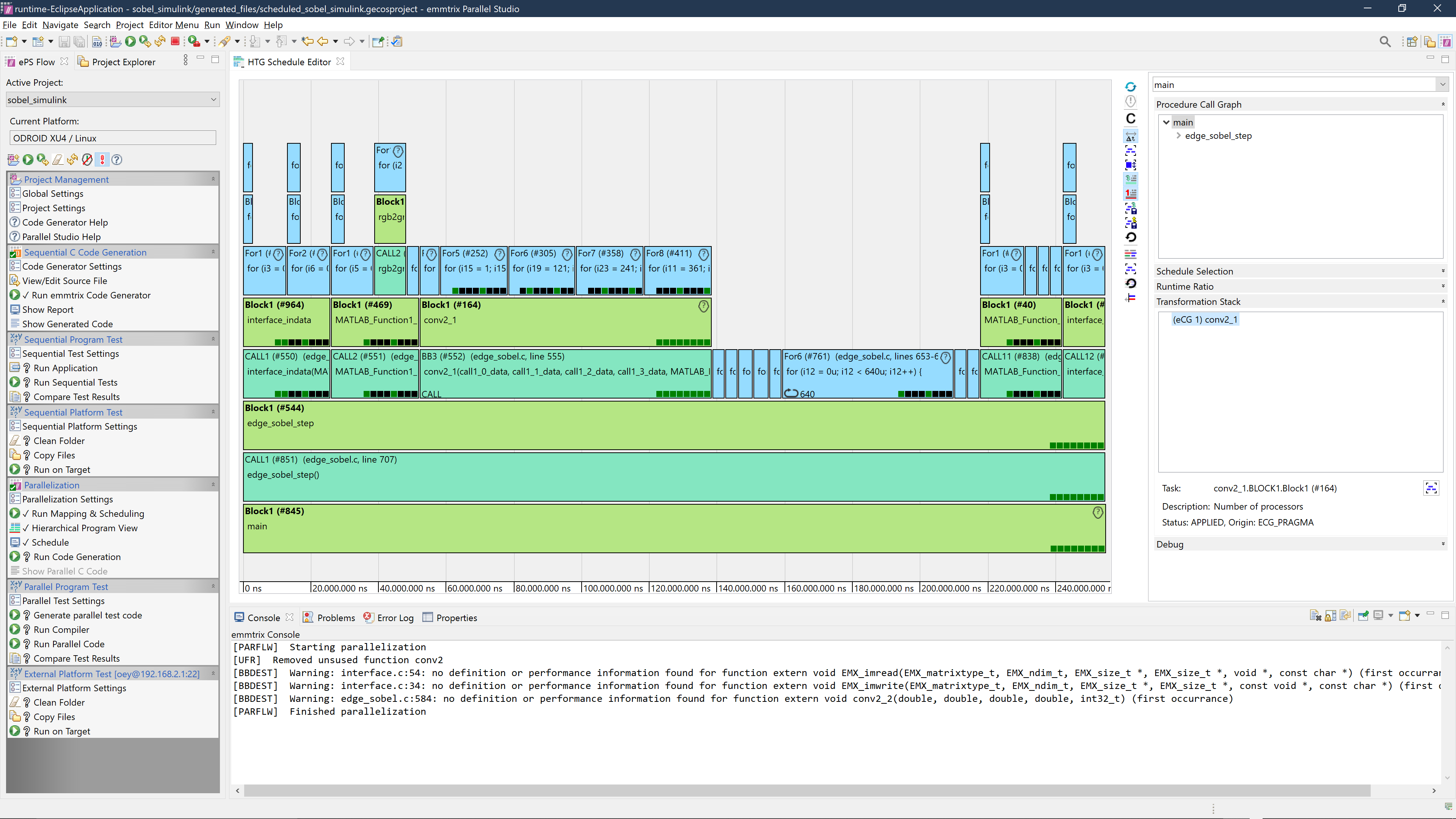
Hierarchical program view
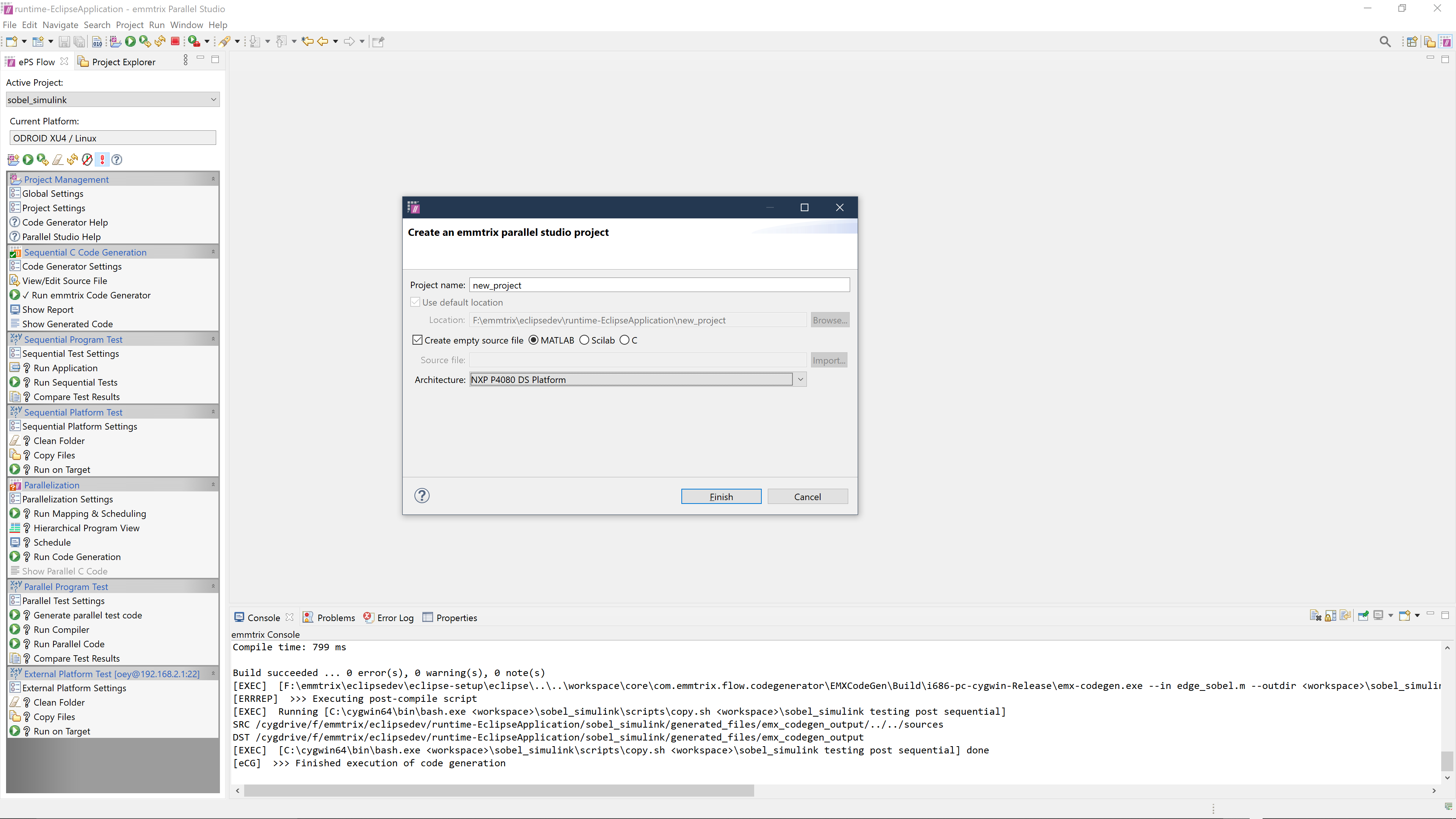
New project wizard
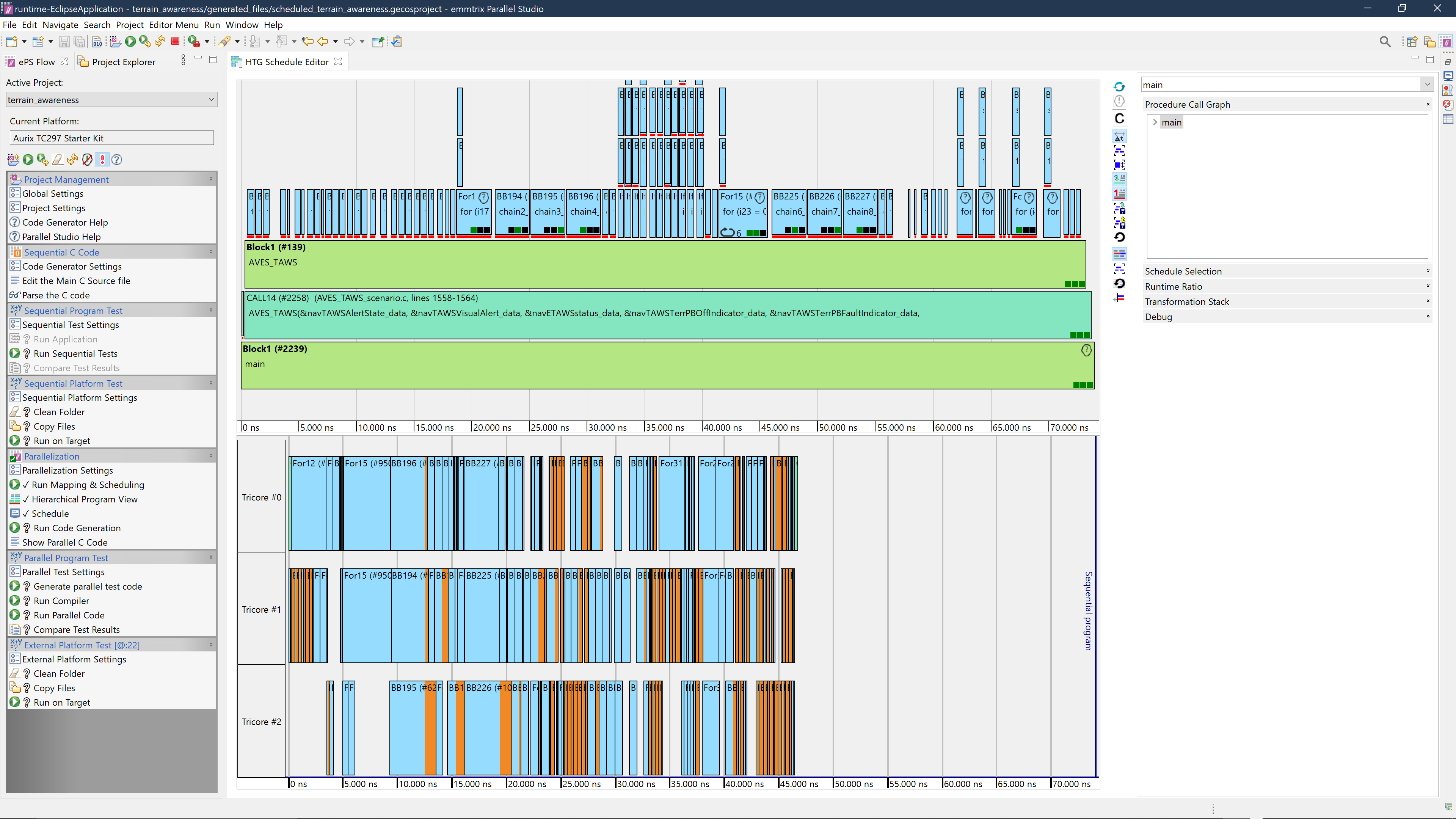
Parallel schedule
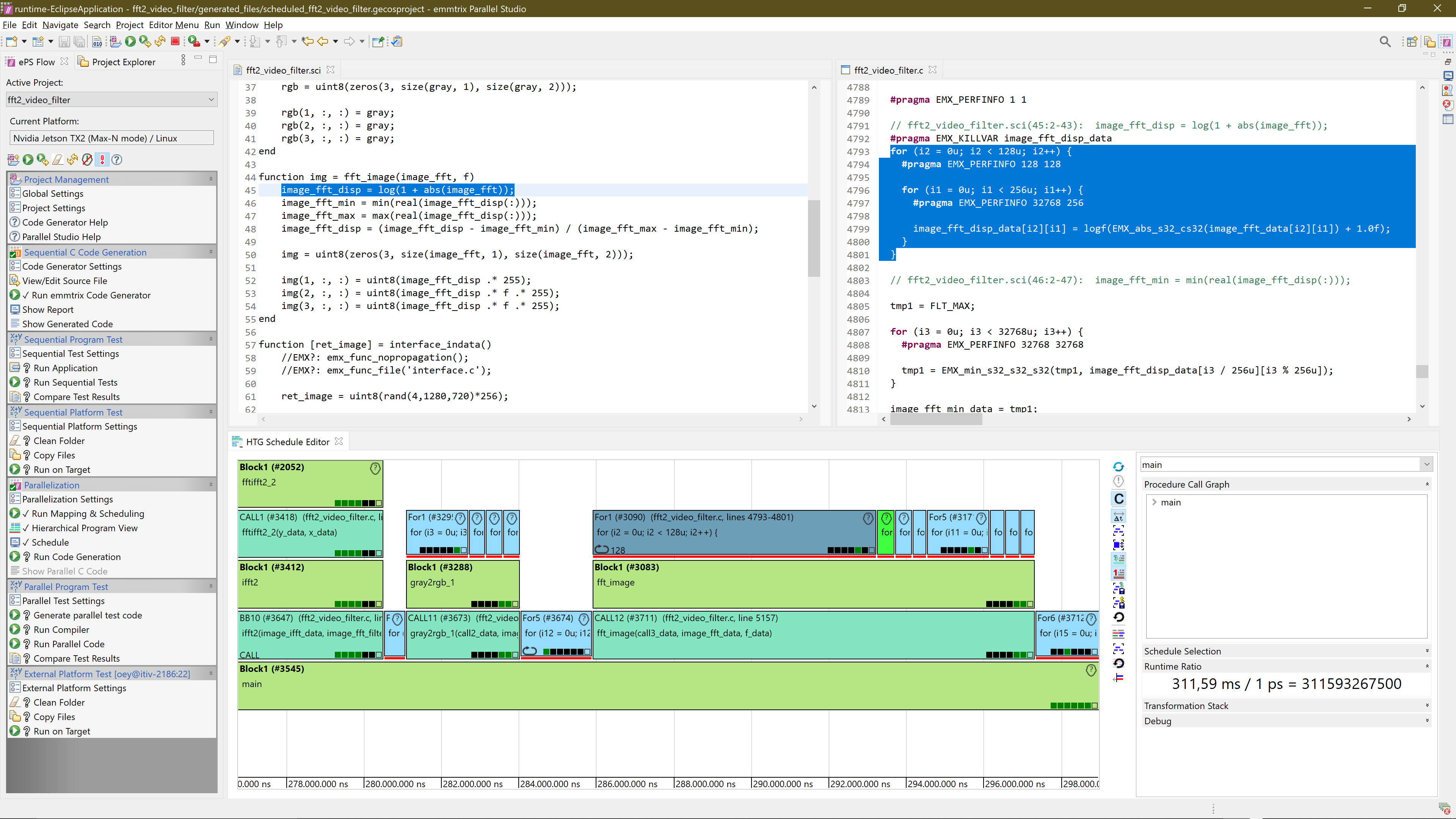
Hierarchical program with source code comparison
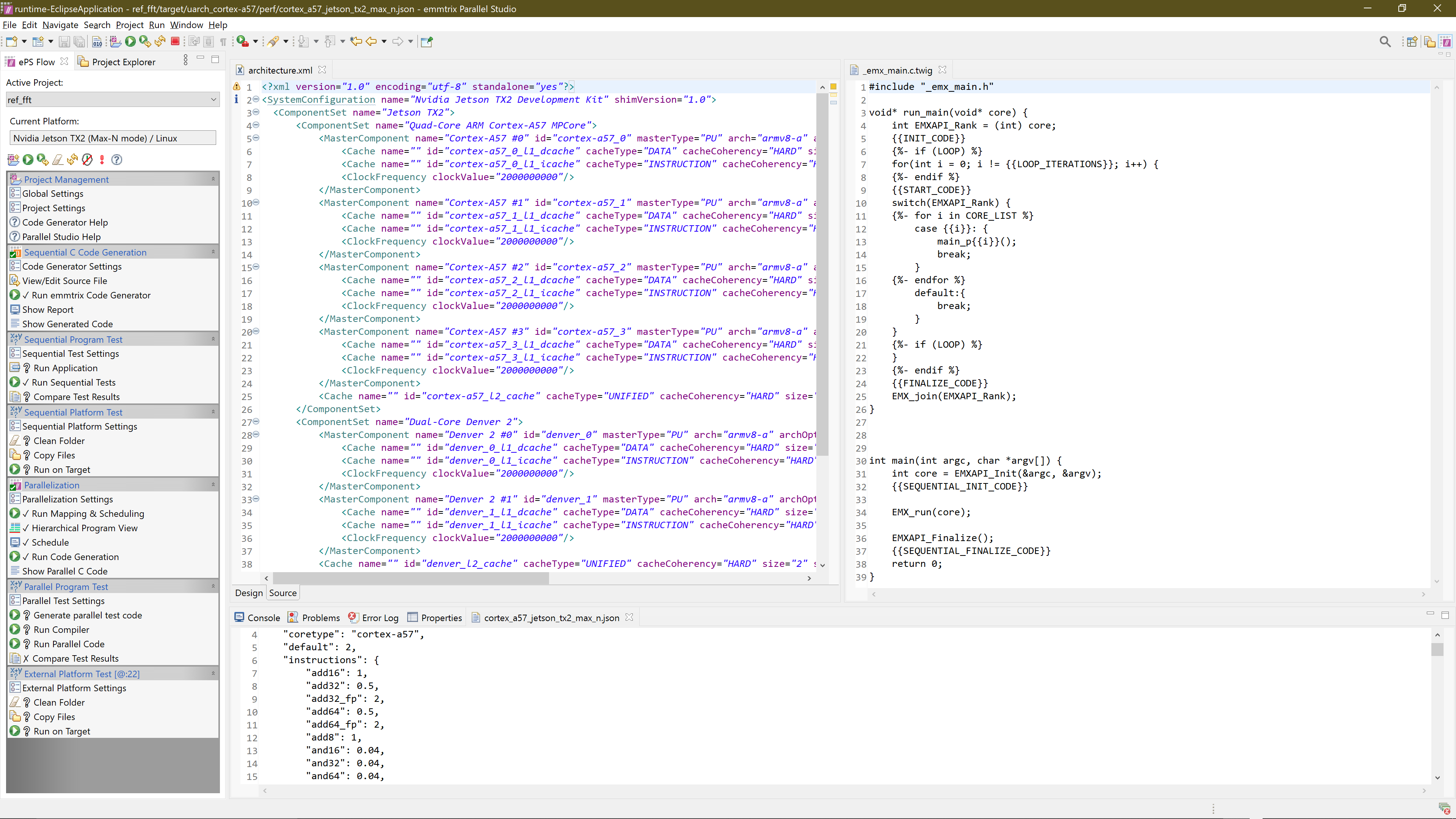
Platform specific templates and timing
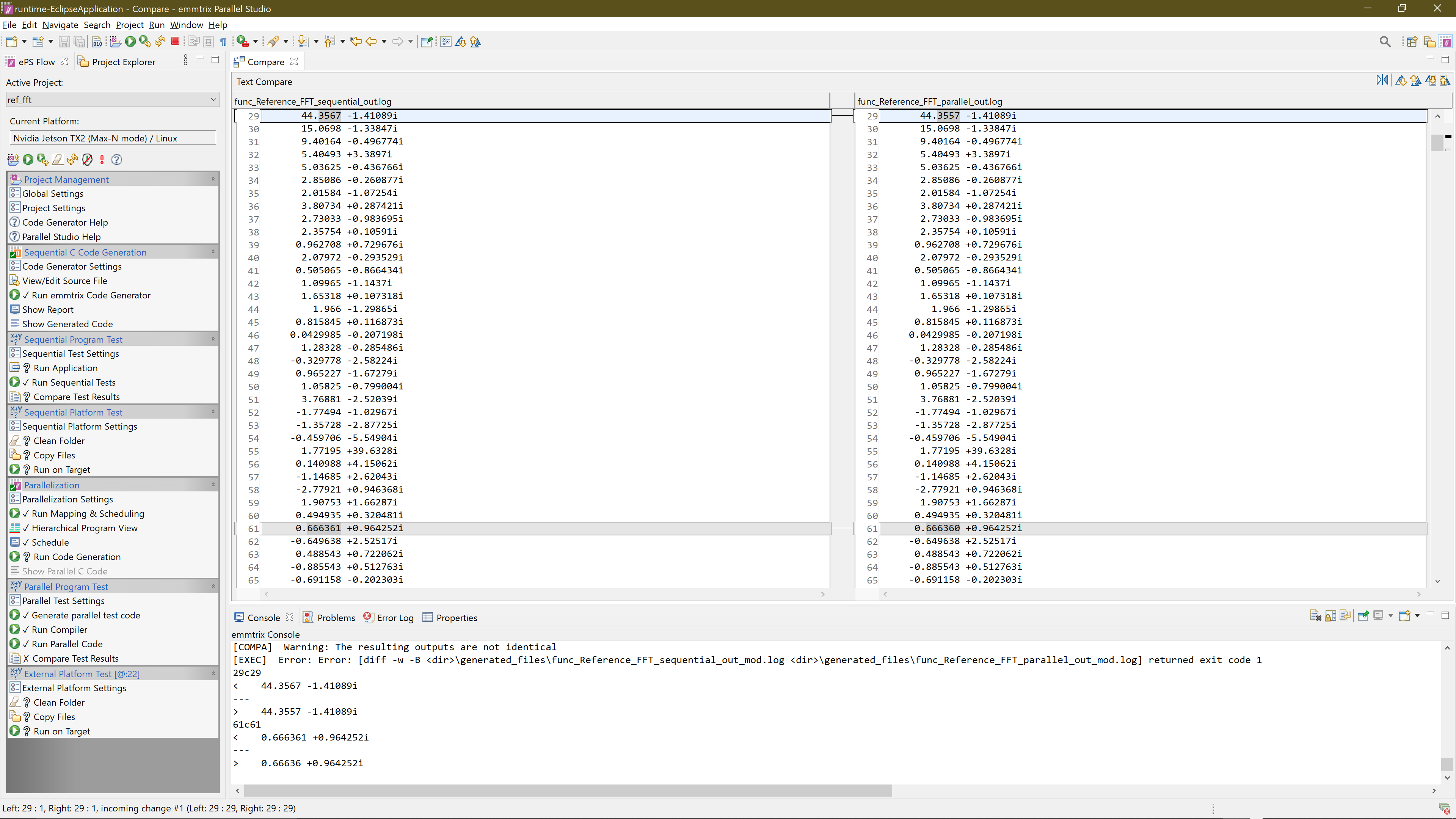
Comparison of results
Technical Resources
Release Notes
Read about features, improvements and bug fixes in the emmtrix Studio toolchain.
Qualification and Verification
Explore how the ePS Qualification Kit compares sequential and parallel code.
Logical Execution Time
Read about LET principles and their role in predictable embedded software timing.
Frequently Asked Questions
What input does emmtrix Parallel Studio require?
ePS takes sequential C source code as input. This can be handwritten code or code generated by supported code-generation workflows. C++ applications can enter the workflow through emmtrix C++ to C Compiler.
What does ePS generate?
ePS generates parallelized C source code for the selected target architecture. The output can be compiled and tested using target hardware or simulators.
Do developers retain control over parallelization?
Yes. The workflow is automated but interactive. The graphical user interface and reports provide transparency, while developers guide transformations and fine-tune parallelization with constraints and core assignments.
At which levels can code be parallelized?
ePS supports parallelization at runnable, function and sub-function level. It exploits thread-level, loop-level and data-level parallelism.
What is required to support a target architecture?
The documented minimum requirements are an available C compiler and message-passing or shared-memory inter-core communication. ePS can be adapted to additional processor architectures.
How does ePS support safety-critical parallelization?
The ePS Qualification Kit provides verification tools and processes that compare sequential input and parallel output code for functional safety workflows, including ISO 26262 and DO-178C/DO-330 contexts.
Let’s Get in Touch
Would you like to parallelize an embedded application? Contact us to discuss your C code, target architecture and performance requirements, request a demo or start an evaluation.